
DIY Door Lock Cylinder Replacement: A Step-by-Step Guide
When and Why to Replace Your Door Lock Cylinder
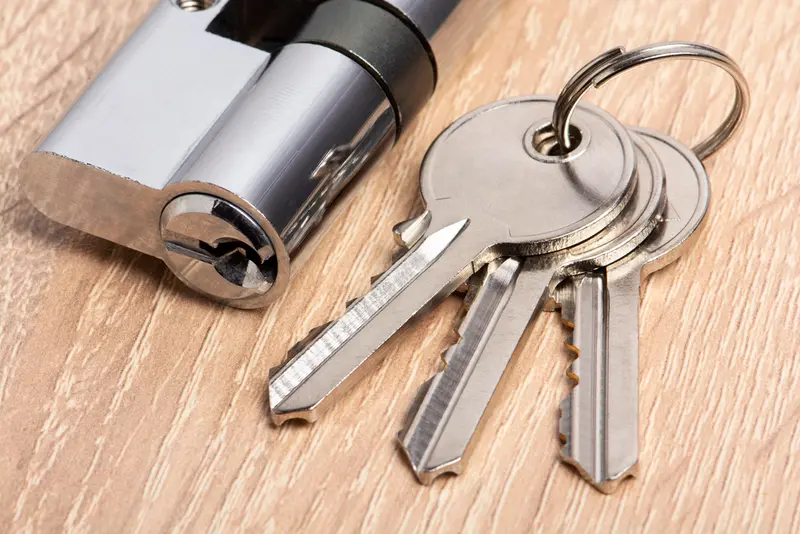
Is your door lock sticking? Has your key stopped working smoothly? Or, perhaps, you’ve recently moved into a new home and want to ensure your security by changing the locks? Replacing a door lock cylinder, also known as the lock core, is a relatively straightforward DIY project that can save you money and give you peace of mind. This guide will walk you through the process, step-by-step, making it easy to install a new lock cylinder.
Assessing the Situation: Is DIY Lock Core Replacement Right for You?
Before you dive in, it’s important to consider whether a DIY approach is suitable for your situation. While replacing a standard cylinder is generally manageable, certain scenarios might warrant professional assistance.
When to Consider Professional Help
- High-Security Locks: If you have a high-security lock with features like security plates or specialized mechanisms, the replacement process can be more complex. These locks are designed to resist picking and forced entry, and tampering with them without the proper knowledge could damage the lock or compromise its security.
- Damage Beyond the Cylinder: If the door itself or the surrounding hardware is damaged, replacing the cylinder alone might not solve the problem. A professional locksmith can assess the situation and recommend the best course of action.
- Lack of Confidence or Experience: If you’re uncomfortable with basic tools or unsure about any of the steps involved, it’s always best to err on the side of caution and call a professional. Your security is not something to gamble with.
Tools and Materials Needed for Door Lock Replacement
Before you begin, gather the necessary tools and materials. This will make the process smoother and prevent unnecessary interruptions.
- New Lock Cylinder: This is the most important item. Ensure you purchase the correct size and type for your door thickness and existing lock. We’ll cover how to determine the right size later in the guide.
- Screwdriver: A Phillips head screwdriver is typically required. Make sure you have one that fits the screws on your lock.
- Optional: A small flathead screwdriver or a key extractor tool (if your key is broken inside).
Step-by-Step Guide: How to Change Your Lock Core
Now, let’s get to the heart of the matter: the step-by-step process of replacing your door lock cylinder.
Step 1: Loosen the Retaining Screw
Locate the small screw on the inside edge of the door, directly below the door handle. This is the retaining screw that holds the cylinder in place. Use your screwdriver to loosen, but DO NOT fully remove, this screw. Loosening it allows the cylinder to slide out.
Step 2: Remove the Old Cylinder
Insert your key into the old cylinder. Gently turn the key while simultaneously pushing or pulling on the cylinder from the outside of the door. The cylinder should slide out. If it’s stuck, jiggle the key slightly or try pushing from the inside and pulling from the outside. Sometimes, a little gentle persuasion is all it takes.
Step 3: Measure Your Cylinder (Very Important!)
Before installing the new cylinder, it’s crucial to ensure it’s the correct size. Measure the length of the old cylinder from end to end. Many cylinders are available in different lengths to suit various door thicknesses. Using the wrong size cylinder can affect the lock’s functionality and security.
Step 4: Install the New Cylinder
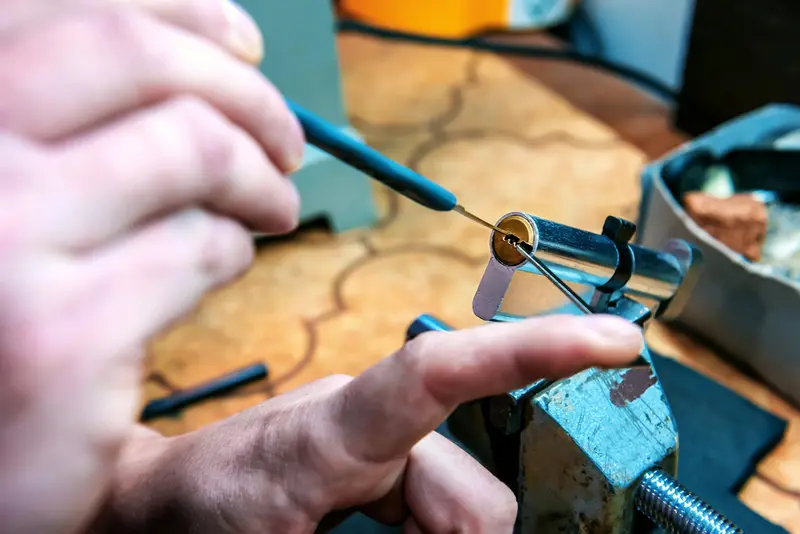
Insert the new cylinder into the hole, aligning it with the keyway. Insert your key into the cylinder. You may need to slightly turn the key again to align the cam.
Step 5: Tighten the Retaining Screw Securely
Once the cylinder is seated properly, gently tighten the retaining screw on the inside edge of the door. Don’t overtighten it, as this could damage the lock.
Step 6: Test the Lock
Test the lock by inserting your key and turning the handle. Ensure the lock functions smoothly and that the door opens and closes without any issues.
Troubleshooting Common Problems During Lock Replacement
Even with careful planning, you might encounter some common problems during the replacement process. Here are a few troubleshooting tips:
- Cylinder Won’t Budge: If the cylinder is stuck, try applying a lubricant like WD-40 to the keyway and around the cylinder. Let it sit for a few minutes and then try again.
- Retaining Screw Stripped: If the retaining screw is stripped, you may need to use a screw extractor or call a professional locksmith for assistance.
- New Cylinder Doesn’t Fit: If the new cylinder doesn’t fit, double-check your measurements and ensure you have the correct size.
Choosing the Right Cylinder
Selecting the correct cylinder is critical for a successful replacement. Consider these factors:
Cylinder Type
- Standard Cylinder: This is the most common type, used in most residential doors.
- Double Cylinder: These locks require a key on both sides, providing extra security. However, they can be a fire hazard if you need to exit quickly.
- Euro Cylinder: Common in Europe, these cylinders are often used in uPVC and composite doors.
Cylinder Length
Accurately measure your old cylinder to ensure the new one is the same length. If it’s too long or too short, it won’t function properly.
Security Features
- Anti-Pick: Resists picking attempts.
- Anti-Drill: Hardened steel pins protect against drilling.
- Snap Safe: Prevents the cylinder from snapping in half when forced.
Safety Precautions and Warnings
While replacing a door lock cylinder can be a DIY project, safety should always be your top priority.
- Work in a Well-Lit Area: Good lighting will help you see what you’re doing and avoid mistakes.
- Use the Right Tools: Using the wrong tools can damage the lock or injure yourself.
- Don’t Force Anything: If something feels difficult or stuck, stop and reassess the situation. Forcing it can cause damage.
- If in Doubt, Call a Pro: If you’re unsure about any part of the process, it’s always best to consult a professional locksmith.
Conclusion: Security is Key, Literally
Replacing your door lock cylinder is a worthwhile DIY project that can enhance your home security and save you money. By following these step-by-step instructions and taking necessary precautions, you can successfully install a new lock cylinder. Remember, if you encounter any difficulties or are unsure about any aspect of the process, don’t hesitate to seek professional assistance. Ensuring your safety and security should always be your top priority.
Disclaimer: This guide is for informational purposes only. Primelocksmith is not responsible for any damage or injury resulting from the use of this information. Attempt this project at your own risk. For professional locksmith services, please visit our website or contact us directly. While DIY lock cylinder replacement can seem easy, mistakes can compromise your security. Trusting the installation to professionals ensures reliability.
FAQs: DIY Door Lock Cylinder Replacement: A Step-by-Step Guide
-
When should I replace my door lock cylinder?
You should consider replacing your door lock cylinder if your key is sticking, not working smoothly, or if you've recently moved into a new home and want to ensure your security. It's a good way to change your locks without replacing the entire mechanism.
-
Is DIY lock cylinder replacement right for me?
DIY replacement is suitable for standard cylinders. However, if you have high-security locks, damage beyond the cylinder itself, or lack confidence with basic tools, it's best to consider professional help. Your security is paramount.
-
What tools and materials do I need for a door lock cylinder replacement?
You'll need a new lock cylinder (correct size and type), a Phillips head screwdriver, and optionally, a small flathead screwdriver or key extractor tool if your key is broken inside.
-
How do I remove the old cylinder?
Loosen the retaining screw on the inside edge of the door, below the door handle. Insert your key into the old cylinder, gently turn it while pushing or pulling the cylinder from the outside. It should slide out.
-
Why is measuring the cylinder so important?
Measuring your cylinder ensures you purchase the correct size replacement. Using the wrong size can affect the lock's functionality and security. Measure from end to end.
-
What if the cylinder won't budge?
If the cylinder is stuck, try applying a lubricant like WD-40 to the keyway and around the cylinder. Let it sit for a few minutes and try again.
-
What are the different types of cylinders?
There are standard cylinders (most common), double cylinders (requires a key on both sides), and Euro cylinders (common in Europe, often used in uPVC and composite doors).
-
What security features should I look for in a new cylinder?
Consider cylinders with anti-pick, anti-drill, and snap-safe features for enhanced security.
-
What safety precautions should I take?
Work in a well-lit area, use the right tools, don't force anything, and if in doubt, call a professional locksmith.
-
What if the new cylinder doesn't fit?
If the new cylinder doesn't fit, double-check your measurements and ensure you have the correct size. It's possible you ordered the wrong one.